Liverpool FC
Liverpool FC, situated in the heart of the eponymous port city in the northwest of England, is much more than a sports organization; it is a cultural phenomenon, a global symbol of perseverance, and an institution that has shaped the identity of modern football for decades. Founded in the late nineteenth century after an internal dispute within the local community, the club emerged from the shadow of its older neighbor to become the most successful English representative on the international stage. Its history is not just a chronicle of trophies won and goals scored, but a deeply emotional saga of triumphs, tragedies, unwavering fan loyalty, and a philosophy that merges the working class with elite sporting achievements.
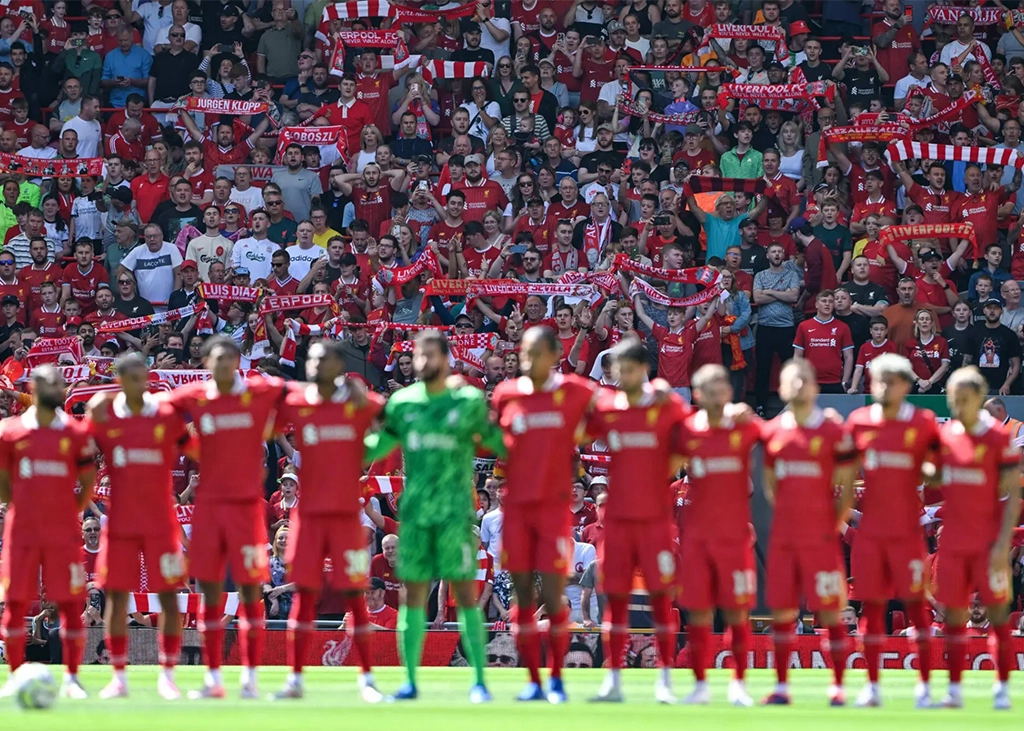
The heart and soul of the club are found at the iconic Anfield stadium, a place that holds temple status in the football world. When the anthem ‘You'll Never Walk Alone’ booms from the stands, it's not just a song, but a collective pledge that defines the relationship between the club and its fan base. This synergy is what makes Liverpool unique; it functions as a family where successes are celebrated with unparalleled enthusiasm, while losses are borne with dignity and unity. Anfield's architecture, with its famous Kop stand, bears witness to decades of the game's evolution, where the pressure fans exert on opponents has become legendary, often described as the ‘twelfth man’ capable of turning the tide of a match even when all seems lost.
The club's golden eras are inextricably linked to the visionaries who sat in the manager's dugout. Bill Shankly is the man who laid the foundations of a modern giant, transforming a second-division team into a force that would dominate the European continent. His philosophy of „socialism in football,“ where everyone works for each other and shares the rewards, became the club's genetic code. Shankly didn't just win titles; he created mythology, established the „Boot Room,“ and built an unbreakable bond with the people of Merseyside.
His successor, Bob Paisley, upgraded that system with surgical precision, transforming Liverpool into a winning machine that conquered Europe three times in five years, setting standards of professionalism and tactical superiority that were then unmatched in the world.
However, the club's portrait would not be complete without a look back at the dark moments that tested the very core of its existence. The Hillsborough and Heysel tragedies forever changed the face of English football and left an indelible mark on the city's collective psyche. The decades-long fight for justice after Hillsborough showed the incredible strength of the community and its refusal to bow to injustice, further cementing the club's status as a symbol of resistance and solidarity. These events have embedded a deep sense of empathy and humanity into the brand that Liverpool represents on the global market today, reminding the world that human lives and dignity always come before the game.
In the modern era, the club has undergone phases of transformation to adapt to the new economic realities of Premier League football. The arrival of Jürgen Klopp marked a renaissance reminiscent of the glorious days of the seventies and eighties. His approach, known as „heavy metal football,“ brought intensity, passion, and uncompromising attacking play back to Anfield.
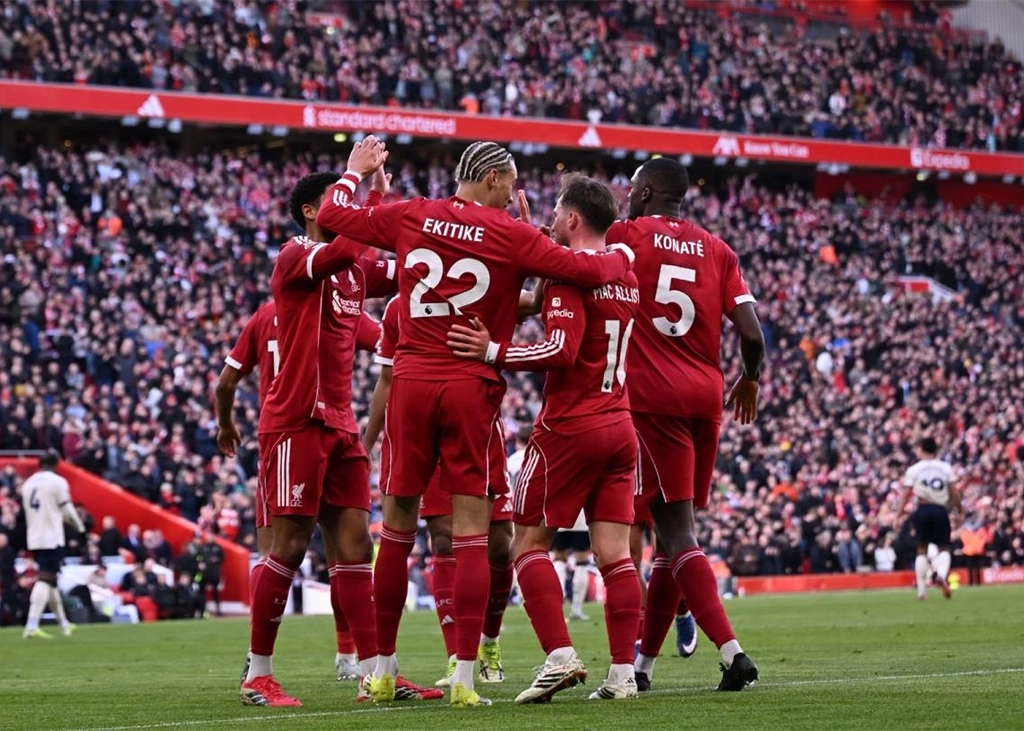
Under his leadership, Liverpool FC once again ascended to the pinnacle of Europe and, most importantly for generations of fans, ended a three-decade wait for the English league title. This success was not merely a product of financial investment, but of smart strategy, a top-tier scouting department, and faith in a system that rewards collective work over individual star status.
Players who have worn the red jersey throughout history have become icons who transcend sports. From the elegance of Kenny Dalglish, rightfully called „King Kenny“ by fans, to the unerring instinct of Ian Rush, and on to modern heroes like Steven Gerrard, who personified loyalty and willpower.
Gerrard's ability to single-handedly carry the team in the toughest moments, like the famous Istanbul final in 2005, has become part of popular culture. That final, in which the team came back after being down by three goals against a powerful AC Milan, is probably the best metaphor for what Liverpool FC is: a team that never accepts defeat as long as there is even the smallest chance for a comeback.
Today, Liverpool Football Club functions as a top-tier, organized business system, but one that strives not to lose its soul in the sea of commercialization. Its global fan base numbers in the hundreds of millions, from Scandinavia to Southeast Asia, but the epicenter of power remains in the few streets around the L4 postcode.
The club has become an ambassador for a city that has endured hard economic times, serving as an engine for tourism and a symbol of pride. Every time the players touch the famous „This is Anfield“ sign before coming out onto the pitch, they invoke the spirits of the past and take on responsibility for the future.
The club's competitive spirit is also reflected in its rivalries, first and foremost with Manchester United, which represents a clash between the two most successful cities and clubs in the country, as well as in the local derby with Everton, which carries the specific weight of family divisions within Liverpool itself. These rivalries are the fuel that maintains a high level of adrenaline and ambition, driving the club to constantly improve. Liverpool is not just a collection of trophies in display cases; it is a way of life, a belief in the power of community, and proof that tradition, when properly nurtured, can be the strongest tailwind in the modern, fast-paced world.
The club continues to evolve, investing in infrastructure such as new stands and state-of-the-art training centers, but the foundation remains the same. An identity built on hard work, respect, and an unbreakable bond with the fanbase guarantees that Liverpool FC will remain relevant regardless of changes in football trends.
He remains a beacon for all those who believe that football should be more than just business, that it should be an emotion that unites people of different cultures, faiths, and nations under one, red flag. In every attack, in every tactical battle, and in every roar from the stands, one can feel the weight of history and the strength of the future of a club that long ago ceased to be just a sports collective and became a symbol of endurance.
Finally, observing Liverpool FC through the prism of time, one can discern a thread connecting the generations who watched the first matches at Anfield with those who today follow every move of their idols through digital platforms. That thread is woven from resilience in adversity and a constant striving for perfection. Regardless of who owns the club, who coaches it, or who scores the goals, the essence remains unchanged: the pursuit of being the best, but never at the expense of those who make the club what it is.
This is a legacy passed down from father to son, from mother to daughter, making this club eternal in the hearts of those who understand that true greatness is not measured only by metal in the trophy case, but by the mark you leave on people's souls. Liverpool was, is, and will be synonymous with football romance in a world that often forgets the true values, remaining true to its promise that no one, no matter who stands with it, will ever walk alone through the storms and sunny days of sports history.