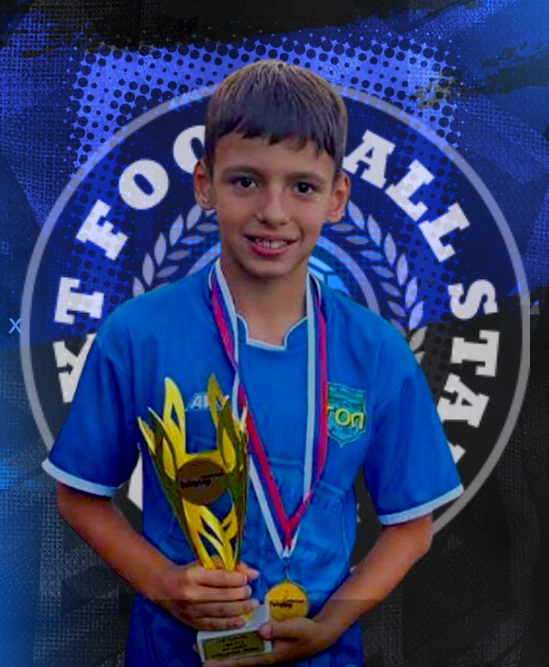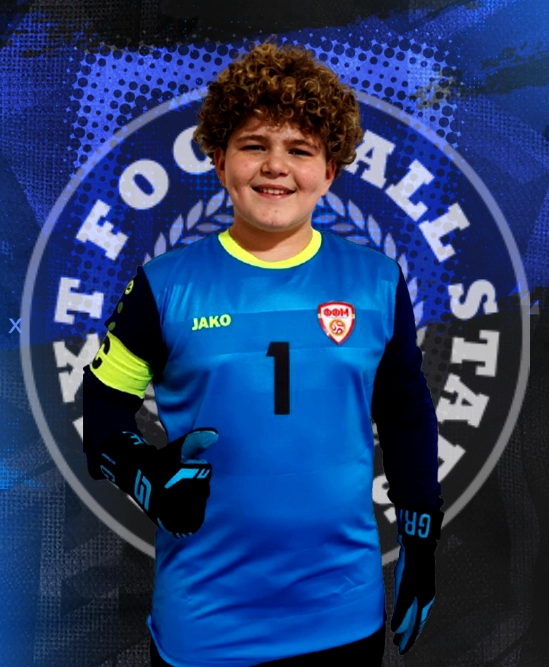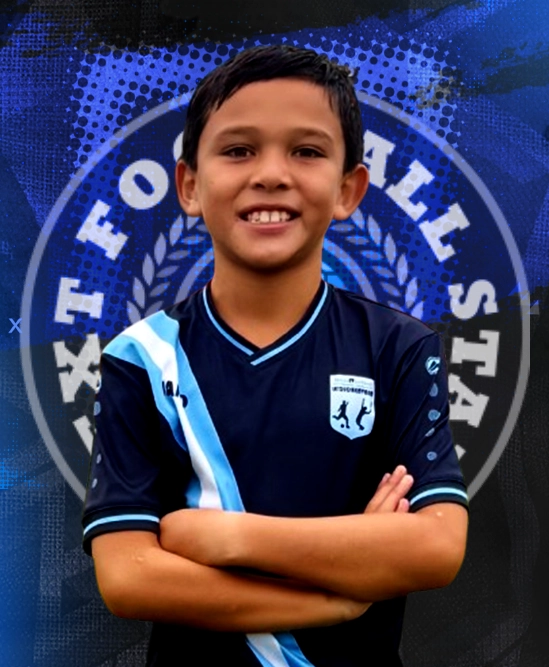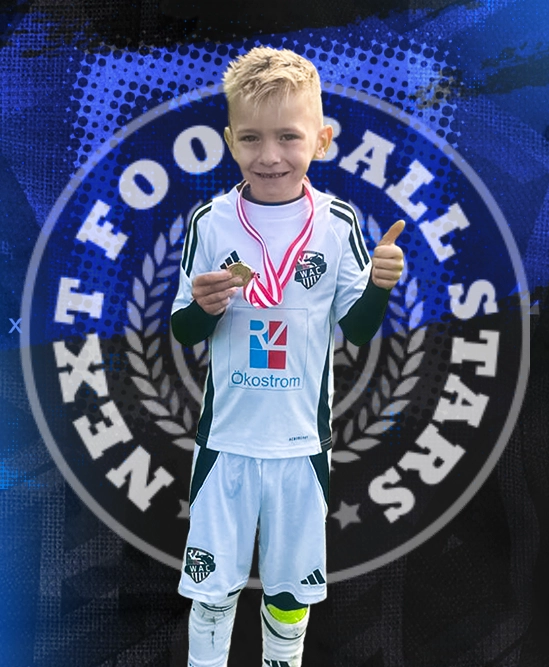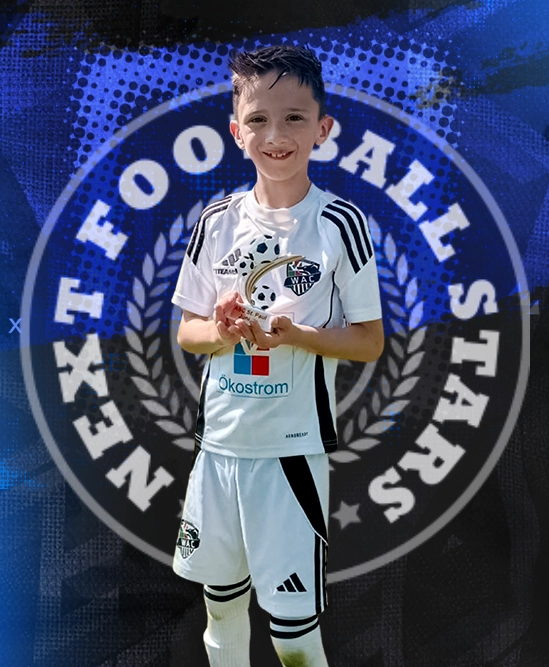

Football is not just a game, it is a process, development, discipline, and a dream that begins very early. The path from the first training session at a football academy to a serious competitive level takes years and requires dedication, support, and proper guidance.
For parents and children entering the world of soccer, it's crucial to understand what the developmental path of a young talent looks like, from ages 7 to 18.
Below you will find a comprehensive guide to development in football, focusing on training, football academies, and what makes the difference between average and successful players.
AGES 7-10 YEARS: First steps in football school
During this period, children enter into The world of soccer through a soccer school. This is a phase of play, fun, and basic development.
Training focus:
- Basic techniques (dribbling, passing, shooting)
- Coordination and motor skills
- Developing a love for soccer
At this age, it's most important that training is interesting and varied. Children shouldn't be under pressure to perform, but rather develop a feel for the ball through play.
The key thing: the child needs to fall in love with soccer.
Parents often make the mistake of expecting too much too soon. However, at this stage, the result isn't important, development is.
AGES 10-12 YEARS: Development of Technique and Game Understanding
This is the stage when young talents start training more seriously and show their first quality differences.
Training focus:
- Advanced technique (ball control, dribbling)
- Tactical Basics
- Field positioning
At this age, children begin to play more organized games and develop a competitive spirit.
Key thing: continuous training and a quality football school.
A real coach can make a huge difference in player development during this period.
AGES 12-14 YEARS: Tactical maturity and discipline
Training focus:
- Understanding the game
- Tactics and teamwork
- Physical preparation (basic strength and endurance)
The children are beginning to understand their position and role on the team. Training is becoming more serious, and competition is increasing.
The key thing: discipline and continuity.
At this age, you can already see who has the potential to go further.
AGE 14-16 YEARS: Selection and serious football
Entering the cadet age group brings more serious demands and the first real selection.
Training focus:
- Physical preparation (strength, speed, endurance)
- Specialization by position
- Psychological stability
Clubs are starting to set aside their most promising players. Training sessions are more intense, and expectations are higher.
Key thing: mental strength and work.
Many talents are stagnating during this period because they are failing to meet new demands.
AGE 16-18 YEARS: Entering senior football
This is the final stage of development in youth football and the transition to the professional level.
Training focus:
- Competitive soccer
- Physical and mental endurance
- Individual development
Players get the opportunity to train with the seniors or even debut.
The key thing: visibility and opportunities.
In this period, scouts, coaches, and clubs are looking for young talents who can make a difference.
Why Do Many Talented People Fail?
Statistics are clear-a large number of children start playing football, but only a small
a percentage manages to reach a serious level.
Most common reasons:
- Lack of quality training
- Bad soccer school
- Insufficient parental support
- Lack of visibility
Visibility is becoming crucial in modern football.
MODERN FOOTBALL: Visibility is the new opportunity for young talent
Today, it's not enough to be talented, you need to be seen.
Platforms like Next Football Stars allow young players to:
- Create a professional profile
- Show your workouts and matches
- They will become visible to coaches and scouts
This is a great advantage for young talents from smaller communities.
The Role of Parents in Child Development
Parents play a crucial role in the development of every young footballer.
Important:
- Provide support, but without pressure
- Choosing the right football school
- Track child development
- Provide additional opportunities (camps, tournaments, platforms)
The best results come when the child, parent, and coach are a team.
CONCLUSION: The journey takes years, but it's worth it
The journey from 7 to 18 years old in soccer is not easy, but it is extremely valuable.
Every training session, every game, and every step of progress builds the future of a young player.
Success requires:
- Continuous training
- Quality football school
- Environmental support
- Right opportunity at the right moment
Does your child play soccer and have potential?
Let it be seen.
Create a profile on the Next Football Stars platform and give yourself the opportunity to take the next step in your football career.
Because every young talent deserves a chance.